The Metropolitan Hotel & Spa: New Delhi luxury with a distinctly Indian pulse
At this independent hotel, a business trip can include Japanese fine dining, a pan-Indian dinner and an Ayurvedic pause. The idea holding it all together is personal hospitality with a conscience.
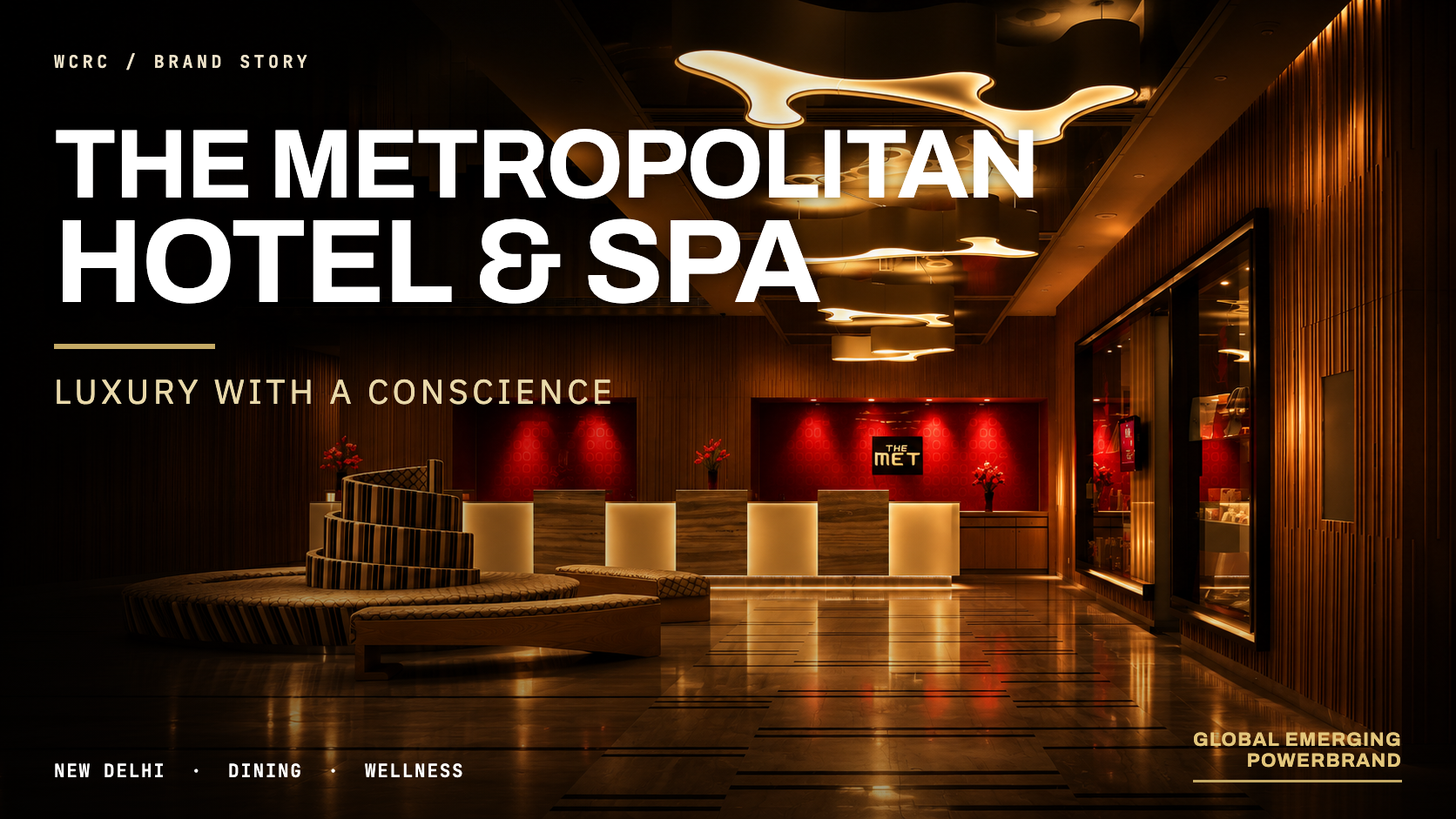
Guests arrive in New Delhi with very different plans. A guest may arrive with a day of meetings ahead, another with a city to explore, and a third with little more on the agenda than time to recover. The Metropolitan Hotel & Spa has built its identity around making room for all three. Known as THE MET, the independent five-star deluxe property pairs contemporary design and attentive service with dining, wellness and Indian craft under one roof.
Founded in 2000, the hotel describes its promise as “luxury with conscience”. Its story is clearest in the private dining rooms at Sakura, the contemporary approach to Ayurveda at neoVeda Spa, the work of Indian artisans at Craft House, and an environmental programme that reaches into daily operations.
The Metropolitan Hotel & Spa has been selected as a Global Emerging Powerbrand in the World's Best Indian Brands hospitality category. Its independent approach gives the restaurants distinct identities and places personal service at the centre of the stay.
That independence shapes the way the hotel talks about change. Its leadership describes a property that listens to guest feedback, adjusts menus and service, and adopts technology where it can make a stay easier. The point is continuity as much as novelty. A returning guest should still recognise THE MET, even as the details of a visit evolve. For a hotel serving people with very different reasons to travel, that ability to adapt without losing its character is part of the appeal.
A hotel built around the way people travel
The hotel's principal audience is the discerning luxury traveller, with corporate guests forming its largest business segment. The hotel says corporate travel accounts for about half of its business and leisure travel about 30 per cent. Privacy and smooth service matter to a guest preparing for a meeting; a memorable meal or a treatment can turn an efficient stay into a more personal one.
Executive Director Vipul Gupta leads a brand that speaks of anticipating needs before guests have to spell them out. The goal is simple: let people concentrate on the purpose of their trip. For a business traveller, that may mean reliable support for a conference. For a leisure guest, it may mean the freedom to slow down.
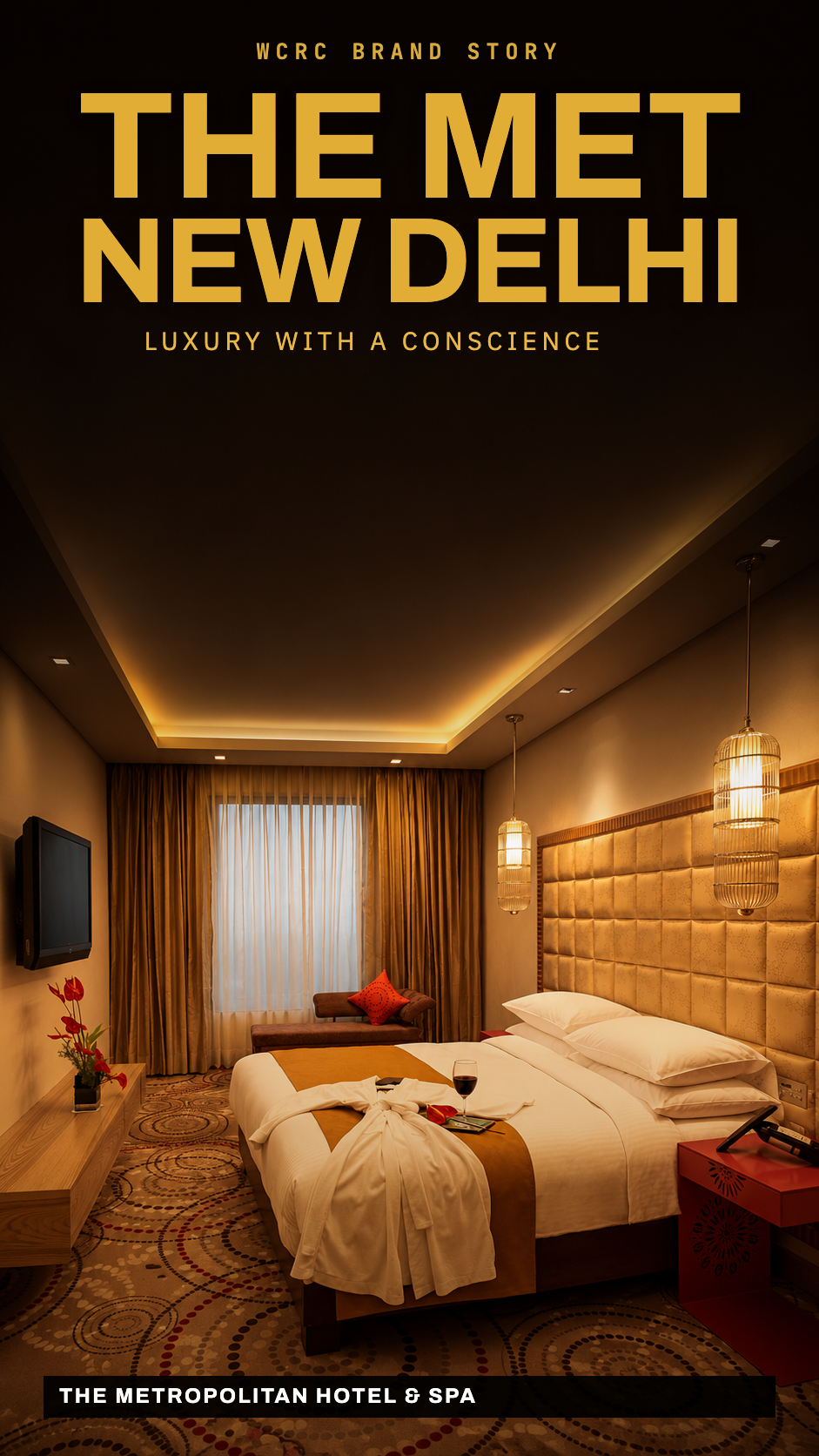
The rooms and suites carry the hotel's contemporary style into the private part of the stay. What the hotel wants guests to remember, though, extends beyond the room. Its restaurants, spa and store have each been developed as experiences in their own right, giving THE MET a character that is difficult to reduce to a room category or a star rating.
Meetings and conferences are another part of that character. The hotel describes dedicated technology support and systems for reservations, restaurant operations and on-site services. These tools may sit out of sight, but they help staff manage the complicated choreography of a busy property. The brand's argument is that efficient systems give its people more room to provide the thoughtful service guests remember.
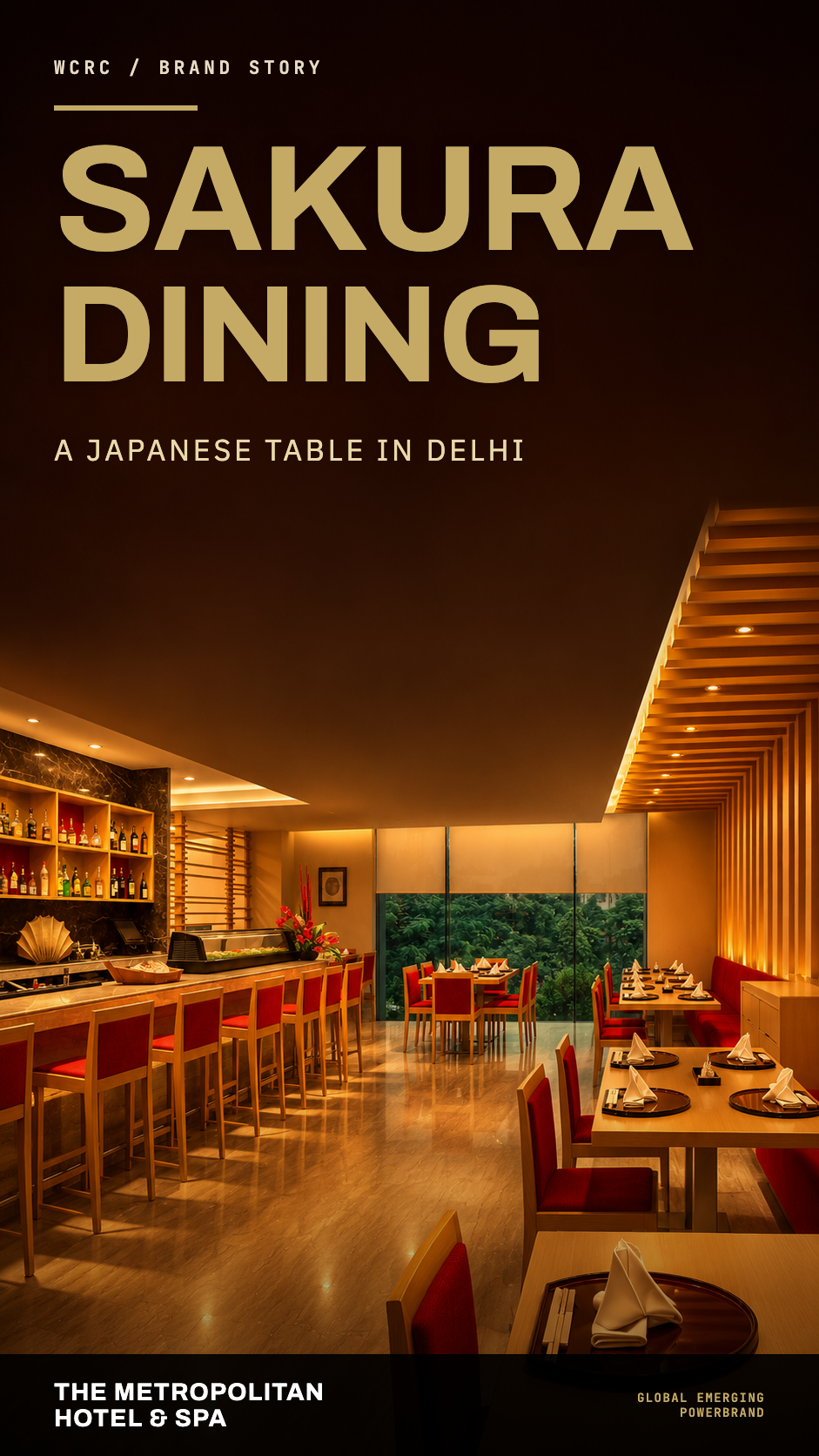
At Sakura, a restaurant became part of the brand
One of the hotel's defining decisions was to open Sakura, which its questionnaire describes as India's first Japanese restaurant. The hotel presents Sakura as a fine-dining destination, with private dining rooms and ingredients flown in from Japan. It also published Sakura's Japanese Kitchen, a book intended to bring guests closer to the cuisine and its culture. That is a revealing extension of the restaurant's role: a meal becomes a point of curiosity, something a guest might want to understand and revisit.
A private table can suit a business conversation just as well as a celebratory dinner. In a city with many luxury hotels, a restaurant with a clear point of view can be one of the strongest ways for a property to be remembered.
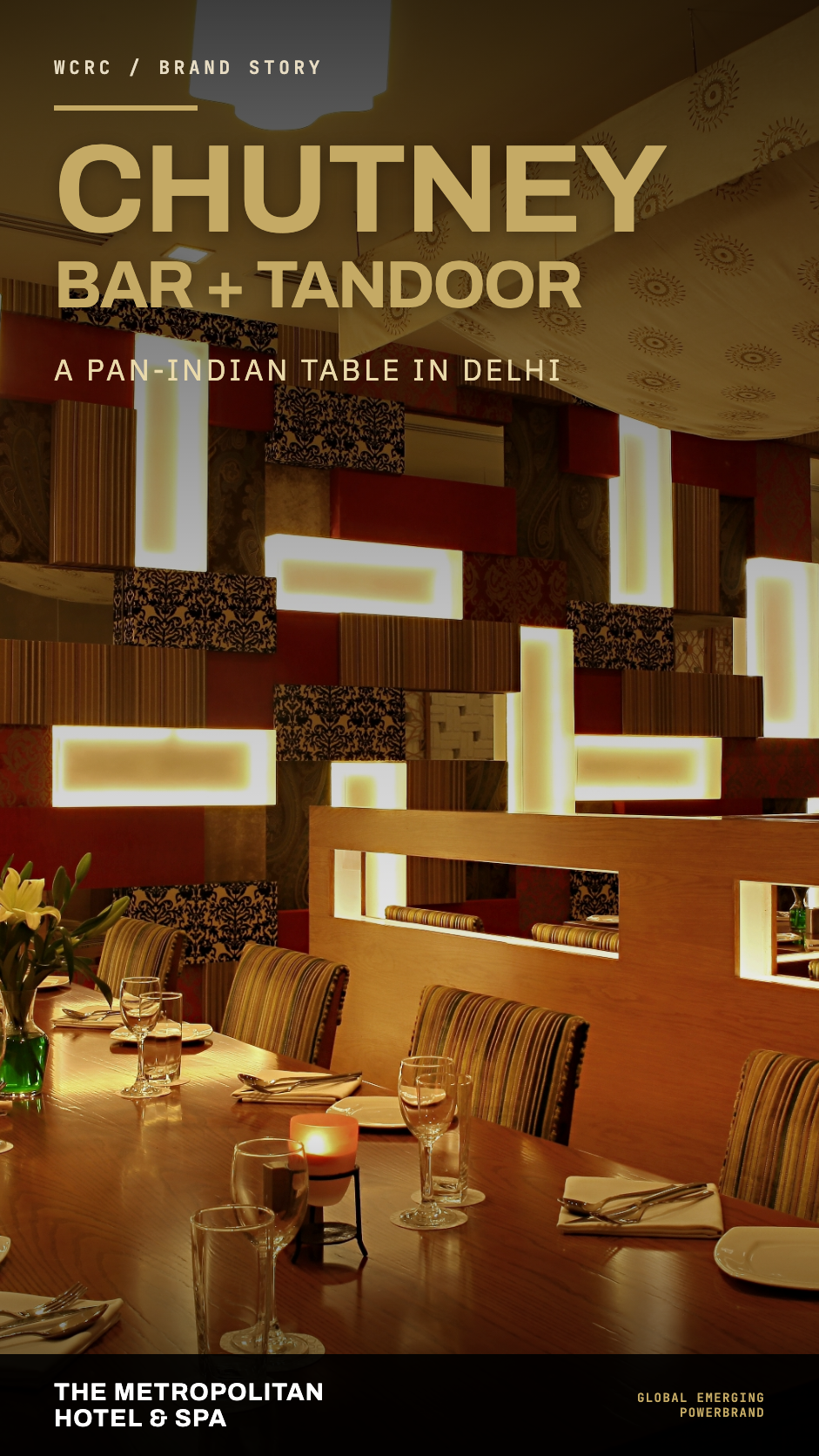
Indian flavours, interpreted for the present
Chutney, Bar + Tandoor brings together pan-Indian cooking and a pre-plated style that the hotel says it introduced to diners in New Delhi. Like Sakura, it has an identity that gives guests a reason to visit in its own right.
The hotel describes chefs who revise menus as tastes change. Guests may never see the decisions behind a dish, yet they notice when a restaurant feels current and its service understands the pace of their evening.
Zing, from morning coffee to Sunday brunch
Step into Zing, THE MET's all-day restaurant for world cuisine, where an international menu invites guests to follow their appetite. Live cooking stations bring the kitchen into the room; a considered wine selection and a dessert menu give the meal its finishing touches. Every dish aims to carry that little extra 'zing' that brings diners back. The space is just as inviting for a leisurely coffee, a business meeting over a meal or a laid-back Sunday brunch. Lively music, attentive service, good food and refreshing drinks make it an easy place to linger.
Zing serves all-day dining, with a choice of delicacies from kitchens around the world. The breakfast buffet runs from 7:00 to 10:30 a.m., and the dinner buffet from 7:00 to 11:00 p.m.
Wellness with an Indian starting point
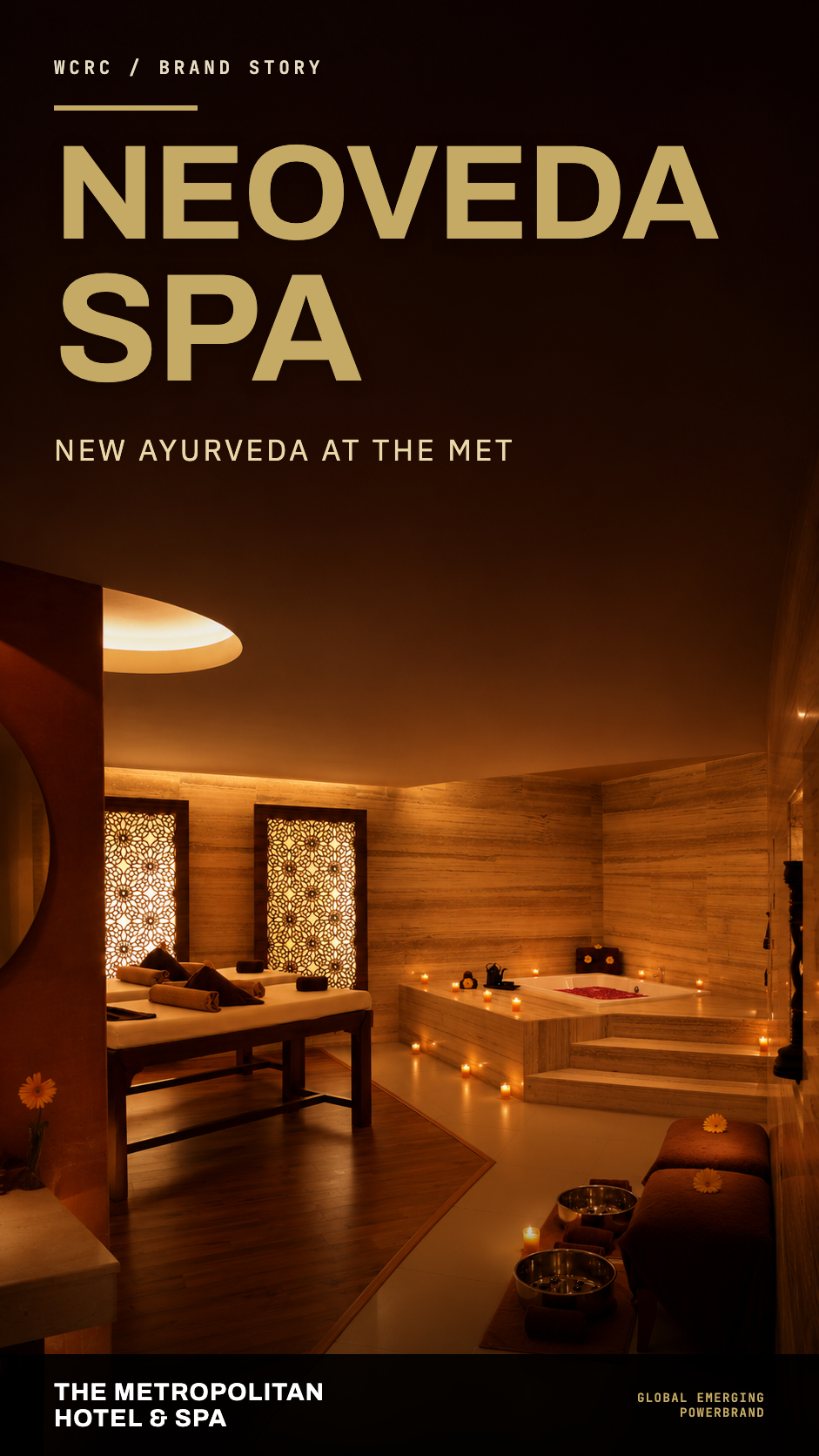
The hotel's name gives the spa equal billing, and neoVeda Spa is central to that decision. Its concept, “New Ayurveda”, draws on Indian ideas of wellbeing in a contemporary setting. The hotel describes a 7,000-square-foot wellness area with a gym and swimming pool, conceived as a place for guests to relax and restore themselves.
For travellers, the appeal is practical as well as emotional. A demanding itinerary and a restorative pause can belong to the same trip. The spa gives guests a way to make that pause part of their stay, while the neoVeda products available at Craft House let the experience travel beyond the hotel. THE MET treats wellness as a continuing part of its identity, expressed in the space, the products and the guest's choice to make time for it.
A piece of India to take home
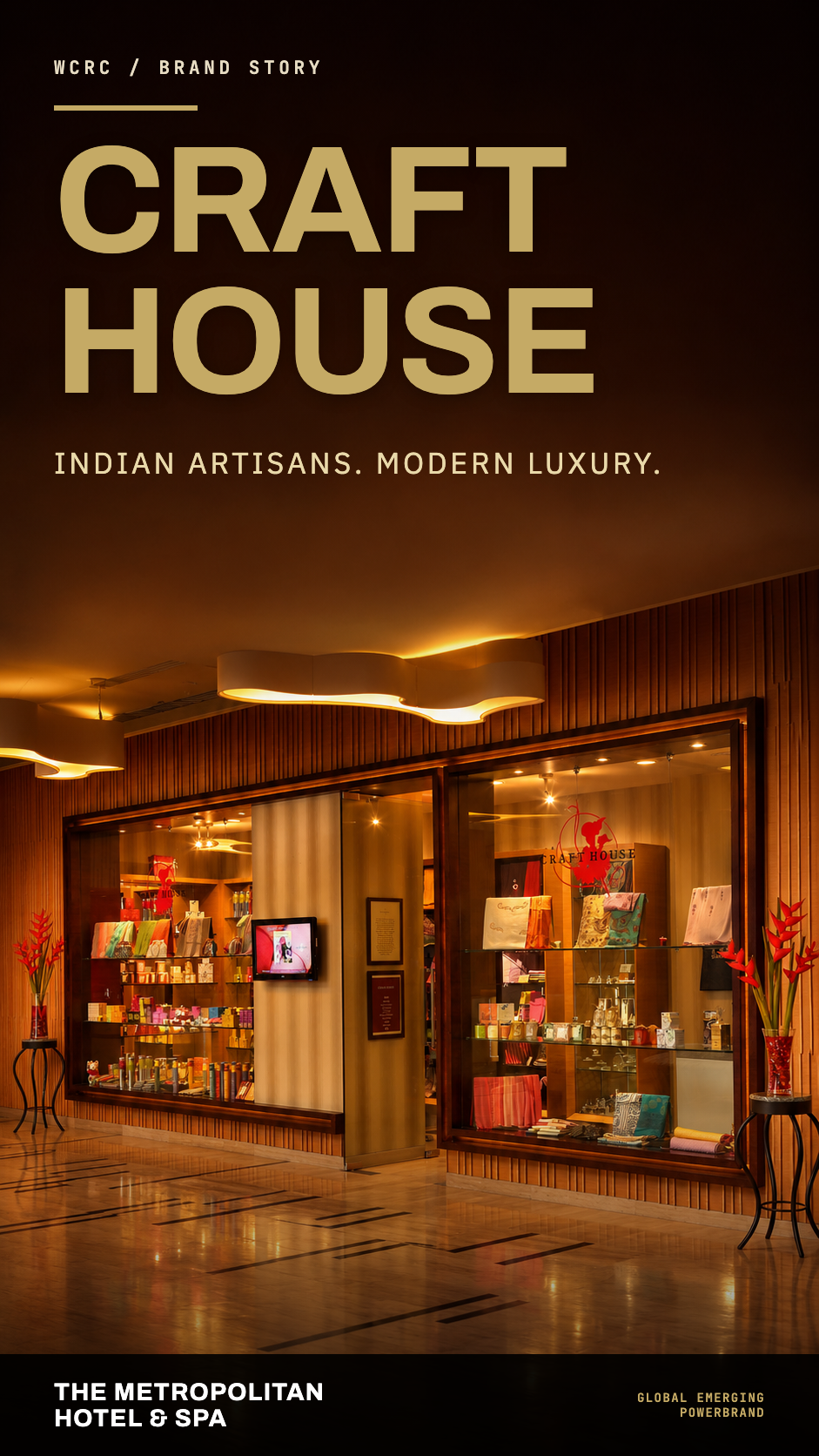
At Craft House, Indian artisans and craftspeople are part of the brand story. The hotel's lifestyle store brings their work into a contemporary retail setting, using materials and design to connect traditional skill with the tastes of today's traveller. It is an idea well suited to an international guest who wants a connection to India that lasts longer than a stay.
The neoVeda products found there link the store to the spa. Craft House gives the hotel’s promise of luxury with an Indian accent a place guests can enter, browse and carry away.
What responsible luxury means at THE MET
The hotel gives its environmental work a name: EcoMet. It describes energy management systems, reflective glazing, materials chosen with heat in mind and messages inviting guests to reuse towels and linen or use only the water they need.
Its other programme, MET REACH, covers support for social, educational and health initiatives, alongside animal welfare and environmental activities. The hotel says employees volunteer their time and skills. These programmes tell readers what the brand intends to do beyond guest service, although their outcomes would require separate evidence before being quantified.
Technology is part of the picture too. THE MET says it uses digital systems for hotel operations and guest interactions while placing human judgement and warmth at the front of the experience. It sees AI as a tool for smoother service, not the personality guests come to meet. For an independent hotel, that is a sensible place to draw the line: the systems can help a team respond, but the welcome still has to come from people.
The hotel's next chapter is still being shaped. Its leadership is exploring opportunities to expand the brand or related brands, while continuing to adapt rooms, menus and service to guest feedback. For now, the case for THE MET is already visible in the choices it has made in New Delhi. A guest can arrive for a meeting, stay for the food, find an hour for the spa and leave with a piece of Indian craft. That is a generous way to think about a hotel: as a place that helps a trip become more than the reason it began.
Planning a stay? Explore the hotel's rooms and suites, dining, spa and Craft House.