
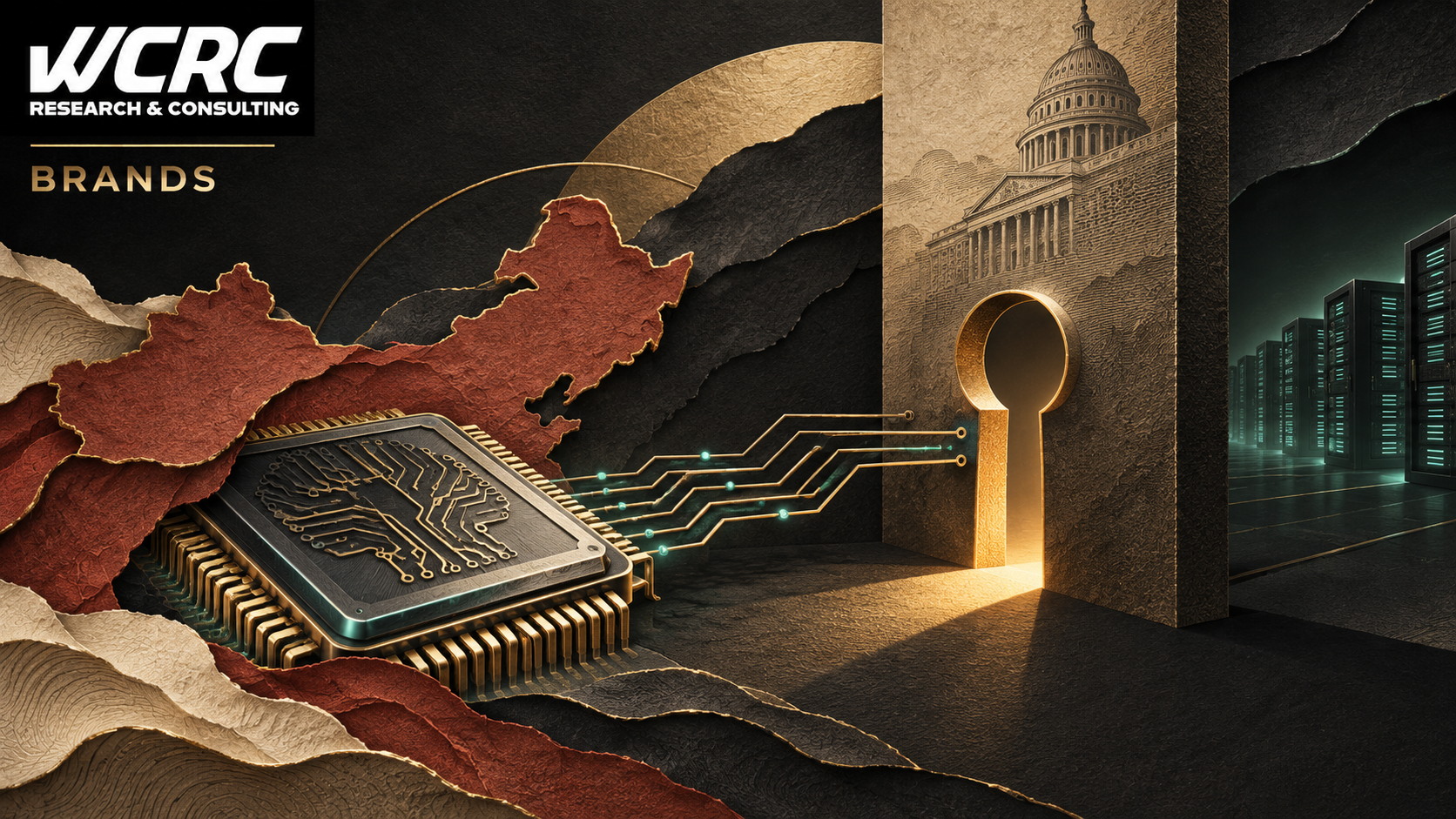
The American election result is a political event. For a business supplying advanced computing equipment, the operational question remains whether the specific transaction is permitted. Customer location alone may not answer it.
In guidance dated 31 May 2026, the Bureau of Industry and Security explains that specified advanced-computing licence requirements can follow an entity’s headquarters or ultimate parent, including when the recipient is located elsewhere. The document concerns defined items and regulatory provisions. It is not a blanket statement that every chip, Chinese-linked customer or overseas data centre is prohibited.
That distinction gives the post-election analysis a practical starting point. Congressional control can affect oversight and the prospects for legislation. It does not substitute for the rules, exceptions and licensing decisions governing a particular export.
The customer is more than an address
A multinational sales team may know the immediate buyer well while having an incomplete picture of ownership or intended use. Procurement can be centralised, equipment deployed elsewhere and service provided through another entity. Each additional hand-off creates a place where commercial records and compliance records can diverge.
The remedy is more precise information before a promise is made. Which entity orders the equipment? Who owns it? Where will it be used? What restrictions accompany delivery and support? These are questions for a transaction-specific compliance review, not a claim that any named business has failed one.
WCRC’s Powerful Brands methodology includes product, innovation and delivery alongside governance. Applied to this market, it asks whether the brand’s sales promise is supported by a deliverable, authorised service. A technically impressive product can still create a poor customer outcome if its permitted configuration or support path is misunderstood.
Read the technology cycle separately
The WTO’s October outlook identified AI-related infrastructure investment as an important source of goods-trade growth. That is a description of activity before the election. It does not establish that demand will rise or fall because one party has gained congressional seats.
Three developments need separate evidence: a change in customer demand, a change in the rules covering a sale and a change in the capacity to fulfil it. They can move in different directions. Strong demand can coexist with a restricted market. A licence can permit a sale for which financing or installation remains unresolved.
This also matters outside China and the United States. A distributor or data-centre operator in a third country needs to understand its own exposure. Geographic distance from Washington does not eliminate a regulatory dependency written into the transaction.
The next evidence to watch
New legislation, published agency rules and licensing guidance would be meaningful signals. Campaign language and an expected committee agenda are earlier stages. A company should update its assumptions when those signals change, with the relevant date and authority recorded.
The defensible post-election strategy is to design the sale around what can actually be delivered. A change in Washington’s balance of power may alter the debate over technology. It leaves the supplier responsible for the promise it makes today.